5 Stories
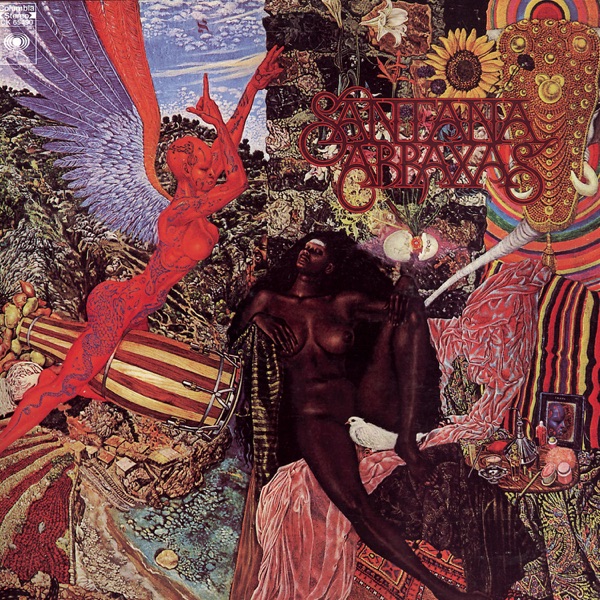
Carlos Santana miked his guitar with three microphones to capture the room as well, because that’s what the ears hear. None went totally in front of the speakers: one was far in front of them, and one way away in a corner by the ceiling.
On “Hope You’re Feeling Better,” Santana played through a Marshall instead of the Fender Twins he used on “Samba Pa Ti” and the rest. He wasn’t used to hearing the tone from his hands sound so brash and big: it was like wrestling with a big, electric gorilla.
On “Singing Winds, Crying Beasts,” Gregg Rolie and Michael Carabello had created the mood, and Santana quoted the Beatles’ “Eleanor Rigby” without sounding like them. He wanted his guitar to sound like a violin, and like a lady crying in the night because she can’t find her baby.
“Black Magic Woman” was Gregg Rolie’s pick, a Peter Green song Santana hadn’t heard, so he tried a little bit of Wes Montgomery with a bit of Otis Rush on it. The “Gypsy Queen” half, to him, is pure Gábor Szabó with a little Jimi.
“Incident at Neshabur” is the beginning of Santana wanting to sound like Miles Davis, bending notes and getting all inside your heart. The opening riff came from Alberto Gianquinto, who wrote the song with him.
-
Hope You're Feeling BetterListen
Listen for a Marshall amp in place of the usual Fender Twin: brash, big and hard to handle.
-
Singing Winds, Crying BeastsListen
Listen for the guitar quoting “Eleanor Rigby,” reaching for the cry of a violin.
-
Black Magic Woman / Gypsy QueenListen
Listen for the “Gypsy Queen” section: pure Gábor Szabó with a little Jimi Hendrix.
- Released
- September 23, 1970
- Songs
- 9
- Label
- Columbia/Legacy
- In the Vault since
- September 20, 2026