
7 Stories
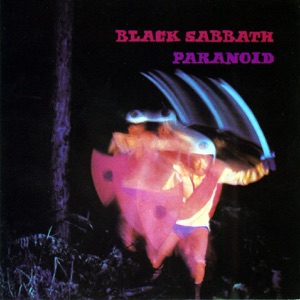
The riff of “Black Sabbath” traces back to Geezer Butler trying Holst’s “Mars” on bass at a rehearsal. Tony Iommi built it from three notes: the second an octave above the first, the third a tritone.
The bell in the opening storm isn’t a church. Tom Allom made it on the spot with a single tubular bell he found in the studio, moving it toward and away from the microphone so it sounds carried on the wind.
Geezer Butler’s bass amp was so loud it sent a film company’s camera dolly upstairs waltzing across the floor, so Allom talked him into plugging straight into the desk. For the first time, Butler could hear his own bass on a record.
The dull, flat thud of the bass comes from strings about ten months old: Butler couldn’t afford new ones and only replaced them when they broke.
Tony Iommi’s Stratocaster pickup died after “Wicked World,” and with only so much studio time he switched to his spare Gibson SG for the rest of the album, played through a modified Rangemaster treble booster into a Laney amp.
Bill Ward played in a small drum booth in the corner of the studio with only a few microphones, and the drums came out almost dry as a bone.
The two guitar solos playing over each other in “Sleeping Village” were Rodger Bain’s idea, and Tony Iommi liked it.
-
Black SabbathListen
Listen for the bell in the opening storm: one tubular bell, swung toward and away from the microphone.
-
Wicked WorldListen
Listen for the Stratocaster: it’s the last song Iommi cut on it before the pickup failed and he switched to his SG.
-
A Bit of Finger / Sleeping Village / WarningListen
Listen for two Iommi guitar solos at once in “Sleeping Village,” laid over each other at Rodger Bain’s suggestion.
- Released
- February 13, 1970
- Songs
- 5
- Label
- Rhino/Warner Records
- In the Vault since
- September 23, 2026
℗ 1970 Warner Records Inc. Marketed by Rhino Entertainment, a Warner Music Group Company.
More From Rodger Bain
Engineering credits in the Vault

More From Tom Allom
Engineering credits in the Vault