7 Stories
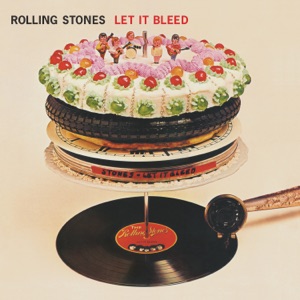
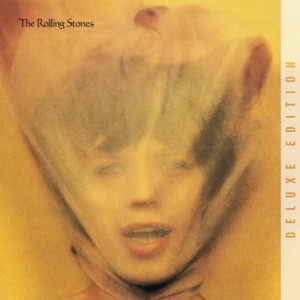
The acoustic guitar at the heart of “Street Fighting Man” began on a portable Philips cassette recorder with a little stick microphone: an electric guitar overwhelmed it, but an acoustic came out dry and crisp. In the studio the cassette was played through an extension speaker onto an eight-track; Keith Richards was, in his words, using the recorder as a pickup.
Charlie Watts played the basic track on a 1930s practice kit, the kind jazz drummers carried on the bus, with a spring-up hi-hat and a tambourine for a snare, sitting right beside the cassette recorder’s microphone. A bigger bass drum went on later.
The only electric instrument on “Street Fighting Man” is the bass, and Keith Richards played it himself, because Bill Wyman wasn’t around.
Keith Richards based the melody of “Street Fighting Man” on the sirens of French police cars.
The reed at the end of “Street Fighting Man” is a shehnai, a South Asian oboe, played by Dave Mason of Traffic; Brian Jones added sitar and tambura.
On “No Expectations,” the slide guitar is Brian Jones. The band sat in a circle on the floor, singing and playing into open microphones, and Mick Jagger remembers it as the last time Jones was fully involved in something worth doing.
By Keith Richards’s account, Mick Jagger brought “Sympathy for the Devil” to the studio as a Bob Dylan–style folk song, and it ended up a samba.
-
Street Fighting ManListen
Listen for the dry, crisp acoustic guitar: recorded on a Philips cassette recorder, then replayed through a speaker onto the eight-track.
-
Street Fighting ManListen
Listen for the wailing reed at the very end: Dave Mason’s shehnai.
-
No ExpectationsListen
Listen for Brian Jones’s slide guitar, recorded with the band sitting in a circle around open microphones.
- Released
- December 6, 1968
- Songs
- 10
- Label
- ABKCO Music & Records, Inc.
- In the Vault since
- September 21, 2026
More From Jimmy Miller
Engineering credits in the Vault

More From Glyn Johns
Engineering credits in the Vault









More From Eddie Kramer
Engineering credits in the Vault




More From Bob Ludwig
Engineering credits in the Vault